
The Global Talent Shortage is Real-So Why Are Overseas Employers Blind to Africa’s Skilled Workforce?
Why Overseas Employers Are Missing Out on Skilled African Talent
Global hiring is facing an unprecedented crisis. Over 70% of international employers report severe difficulties finding qualified candidates for technical, operational, and hands-on roles. Project deadlines are slipping, factory floors are understaffed, and maintenance costs are soaring in North America, Europe, and the Gulf.
Yet, millions of qualified, battle-tested professionals across Africa are ready to work.
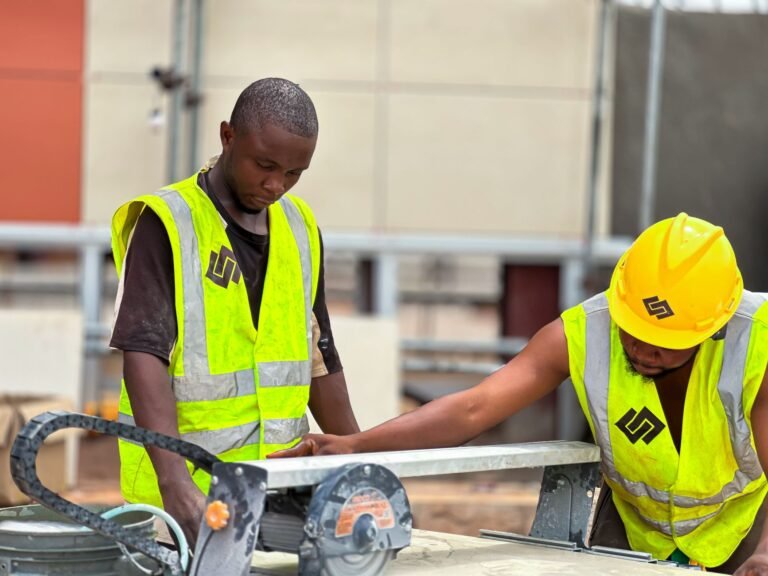
While international recruitment strategies remain hyper-focused on saturated markets, foreign employers are missing out on one of the most resilient, highly skilled labor pools in the world. Africa isn’t just a continent with a young population; it is home to thousands of experienced operators, mechanics, carpenters, electricians, and industrial technicians who are ready to deliver immediate value on day one.
The Reality: Experienced Talent Is Sitting Untapped
A persistent misconception exists that African talent is inexperienced or requires massive retraining. The reality on the ground tells a completely different story.
Across markets like Nigeria, Ghana, Cameroon, Kenya, and beyond, professionals build their careers in demanding environments. An heavy equipment operator or automotive mechanic in West Africa routinely diagnoses and repairs machinery under extreme operational constraints. They don’t just know how to follow a manual—they possess deep problem-solving skills, field resourcefulness, and adaptability that cannot be taught in a classroom.
- Heavy Equipment & Machine Operators: Experienced in operating excavators, cranes, forklifts, and industrial machinery under rigorous conditions.
- Automotive & Industrial Mechanics: Skilled in engine overhauls, diagnostic troubleshooting, hydraulics, and mechanical systems for Japanese, European, and American machinery.
- Carpenters, Electricians & Construction Specialists: Proficient in structural formwork, site installations, commercial wiring, and safety compliance.
https://natep.gov.ng/
These workers know the job inside out. The issue isn’t a lack of talent-it’s a lack of vision from international hiring managers who fail to look past traditional recruiting borders.
What Overseas Employers Lose by Ignoring Africa
By overlooking the African workforce, international businesses incur measurable financial and operational losses:
1. Inflated Labor Costs & Delayed Projects
Relying exclusively on shrinking local labor pools or over-competed markets inflates wage expectations and drags out recruitment cycles for months. Open positions cost money every single day they sit vacant.
2. Lower Work Ethic and High Turnover
African professionals who secure international opportunities bring an unmatched work ethic, dedication, and long-term loyalty to their employers. High retention directly translates to lower onboarding costs and better team stability.
3. Missed Problem-Solving Drive
Technicians and tradespeople trained in Africa excel at adaptability. When unexpected breakdown challenges occur on a job site, workers who have mastered field diagnostics step up with solutions, not excuses.
Why the Gap Exists (And How Smart Companies Are Capitalizing)
The disconnect stems from two main factors: outdated stereotypes and a lack of structured cross-border recruitment pipelines.
Many international employers simply don’t know how to verify qualifications or handle the logistics of hiring from African nations. They assume the process is too complex, so they continue overpaying for talent elsewhere while projects stall.
Forward-thinking companies in the Gulf, Europe, and Asia are quietly changing their strategy. By partnering with dedicated cross-border manpower agencies, they are sourcing pre-vetted, trade-tested African professionals who seamlessly integrate into their workforces.
https://www.gov.uk/global-talent
The Bottom Line
Africa is not just the future of global labor-it is the solution to today’s workforce shortages.
Employers who continue to ignore talent from Nigeria, Cameroon, Ghana, and the broader continent will continue to suffer from operational bottlenecks and rising costs. Those who act now will build loyal, highly skilled, and cost-efficient teams that drive long-term business growth.
The talent is ready. The skill is proven. It’s time for international employers to wake up to the opportunity.