Navigating European Career Opportunities: 3 Proven Pathways to Work Visas in Serbia and Romania
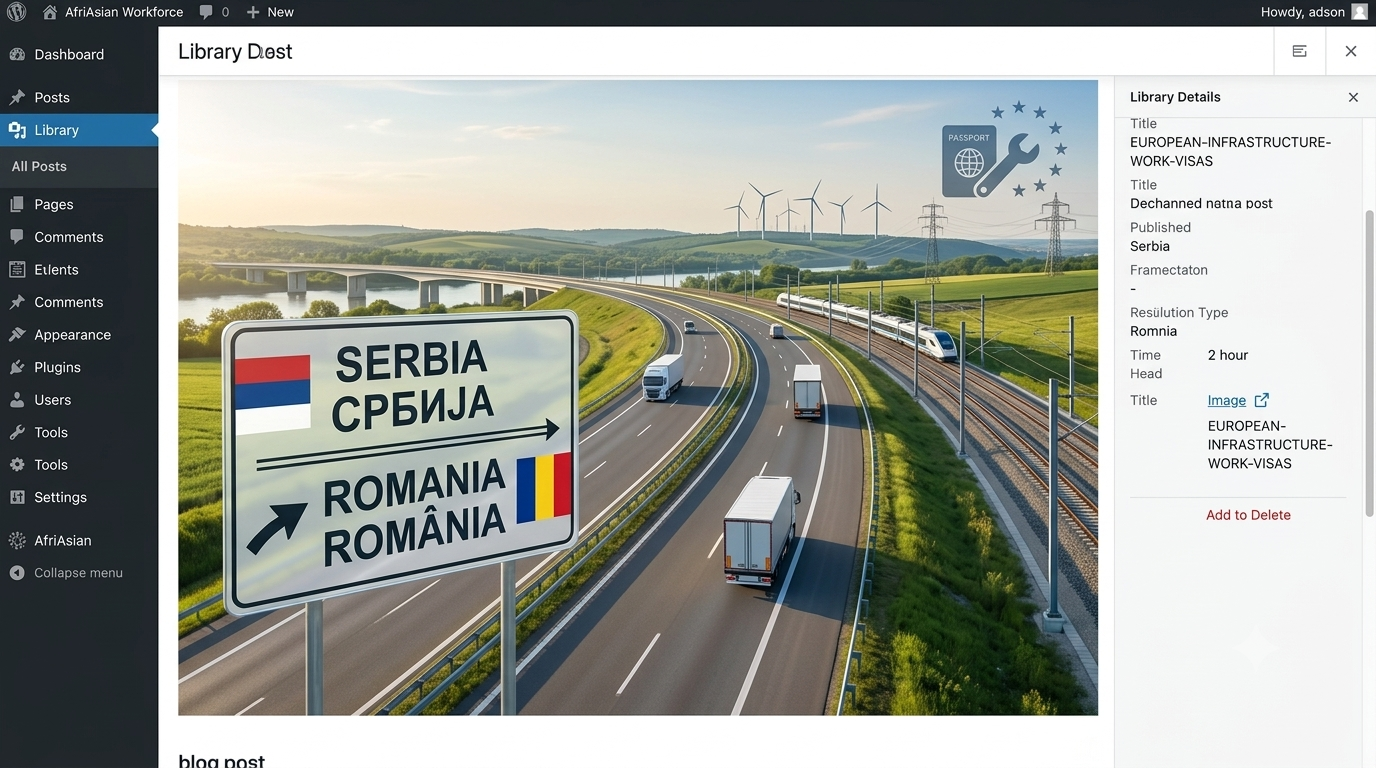
As industrial hubs, infrastructure developments, and manufacturing sectors rapidly expand across Eastern Europe, Serbia and Romania have become two of the most sought-after destinations for international technical talent and enterprise expansion.
Whether you are an employer looking to staff critical engineering and trade projects or a skilled specialist aiming to build a career in Europe, understanding the immigration framework is essential.
Here are the 3 primary pathways to secure long-stay work authorization and visas for both Serbia and Romania.
Pathway 1: Employer-Sponsored Long-Stay Work Visas (The Direct Trade & Technical Route)
This is the main, most reliable route for skilled tradespeople, engineers, mechanics, and industrial operators securing local employment contracts.
🇷🇸 For Serbia: The Unified Residence & Work Permit (Visa D)
Serbia operates an employer-led system managed through its national Ministry of Interior and e-Services portal:
- The Process: A Serbian employer issues a verified job contract and initiates the work permit approval with the National Employment Service.
- The Visa: Upon approval, candidates obtain a Long-stay Visa D (Employment), which grants initial entry and authorization to live and work in Serbia for up to 180 days, easily extendable into a multi-year temporary residence permit.
🇷🇴 For Romania: The Digital Gateway (D/AM Visas)
Romania modernised its immigration process to streamline hiring for foreign workers:
- The Process: Applications are handled digitally through the centralized
WorkinRomania.gov.roportal. Employers register candidates directly against national quota lists and recognized shortage occupations (such as construction, transport, manufacturing, and heavy industry). - The Visa: Successful applicants receive a D/AM Long-Stay Visa (such as D/AM2 for general skilled labor or D/AM1 for highly qualified specialists), linking the worker directly to their verified employment contract.
Pathway 2: Intra-Corporate Transfers (ICT) & Technical Assignments
For multinational corporations, engineering firms, or technical contractors operating across borders, moving experienced staff into branch locations provides a fast-track deployment route.
- How It Works: Rather than starting a standard new-hire market test, employees who have worked with an international company for a minimum specified period (typically 6 to 12 months) can be temporarily assigned or seconded to a branch, subsidiary, or project site in Serbia or Romania.
- Key Advantage: Fast-track processing, streamlined qualification verification, and simplified family reunification options for project leads, senior diagnostic technicians, and site managers.
Pathway 3: Self-Employment, Business Investor & Remote Visas
For technical consultants, independent specialists, and entrepreneurs looking to establish local operations or work independently:
- Serbia (Self-Employment & Business Incorporation): Foreign nationals who register a business entity or branch in Serbia can apply for a Visa D and residence permit based on self-employment or investment, allowing them to manage their own technical contracts legally.
- Romania (Digital Nomad & Specialist Visas): Remote tech professionals and independent consultants working with clients outside Romania can utilize the Digital Nomad Visa, which grants temporary residence provided they meet minimum monthly income requirements and hold valid health insurance.
Summary Checklist: What Every Applicant Needs
Across both countries, every candidate and sponsoring employer must prepare:
- ✅ A valid passport (minimum 6 months validity remaining).
- ✅ Signed employment agreement or official engagement letter.
- ✅ Verified trade credentials and diagnostic/engineering certifications.
- ✅ Clean criminal record check (police clearance).
- ✅ Comprehensive travel medical insurance (minimum €30,000 coverage).
Streamline Your International Technical Staffing
Navigating international labor compliance, document legalization, and trade testing requires experienced hands. At AfriAsian Workforce Global, we connect trade-tested technical talent, from heavy vehicle diagnostic specialists to electrical power technicians, with verified employers across Eastern Europe and the Gulf region.